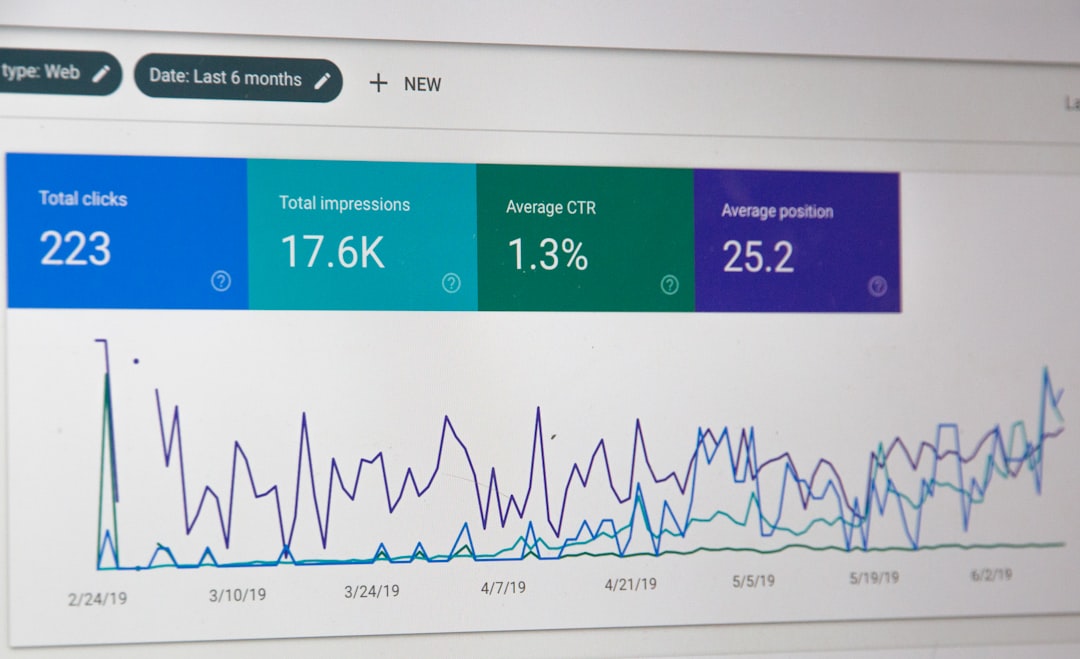
Evaluating Success: Metrics for Effective Entity Stacking

Evaluating Success: Metrics for Effective Entity Stacking

Understanding Entity Stacking

Entity stacking refers to the strategic organization and integration of various digital assets to create a cohesive online presence. This approach enhances visibility and authority by connecting relevant content and resources. Proper evaluation of entity stacking involves analyzing the synergy between these assets and their impact on search engine performance.

Key Metrics for Measuring Success

To evaluate the success of entity stacking, it is essential to focus on key performance metrics such as organic traffic growth, engagement rates, and conversion improvements. These indicators provide insights into how effectively the stacked entities are contributing to business objectives. Regular monitoring ensures that strategies remain aligned with desired outcomes.

Tools for Effective Evaluation

Utilizing specialized tools for analyzing entity stacking can provide deeper insights into its effectiveness. These tools help track changes in search rankings, domain authority, and user interaction across different platforms. By leveraging these analytical capabilities, businesses can refine their strategies for optimal results.

Understanding Entity Stacking

Evaluating Success: Metrics for Effective Entity Stacking

TL;DR

  • Entity stacking SEO builds consistent signals like social profiles to help Google understand your brand.
  • Focus on creating trusted mentions across various platforms to strengthen your brand's online presence.
  • Measure success by tracking visibility, engagement, and brand recognition metrics.
  • Overcome challenges by maintaining consistency and authenticity in your entity signals.

Key Facts About Entity Stacking

  • Entity stacking enhances brand authority and search visibility.
  • Consistency in brand information is crucial for effective entity stacking.

Evaluating the Importance of Consistent Entity Signals

Entity stacking SEO means building consistent entity signals - like social profiles and trusted mentions—so Google can clearly understand and validate a brand. It's a way to show search engines that your brand is legitimate and trustworthy. For clients and marketers with basic SEO knowledge, understanding this concept is crucial. It helps in crafting a robust online presence that stands out in search results. With clear entity signals, your brand can establish authority and improve search visibility. This is why focusing on entity stacking SEO can be a game-changer for your digital strategy.

Building a Strong Foundation

To start, ensure your brand's basic information is consistent across all platforms. This includes your name, address, and phone number. Consistency in these details helps Google link all your profiles together, confirming your brand's authenticity. Here is a quick checklist:

Creating Trusted Mentions

Trusted mentions are citations or references to your brand on reputable sites. These mentions help Google see your brand as credible. Here's how to create them:

  1. Identify industry-related blogs or websites for potential mentions.
  2. Reach out with guest posts or collaborations that provide value.
  3. Encourage satisfied customers or clients to leave reviews on popular platforms.
  4. Engage with influencers who align with your brand values.
  5. Monitor your brand mentions and engage with them positively.

Measuring Success

Knowing if your entity stacking efforts work involves tracking several metrics:

  • Visibility: Monitor your brand's appearance in search results.
  • Engagement: Track interactions on social media and other platforms.
  • Brand Recognition: Assess how often your brand is mentioned in relevant discussions.
  • Traffic: Check for increased traffic from search engines and referrals.
  • Conversion Rates: Monitor leads and sales generated from organic searches.

Real-World Example: A Local Bakery

Consider a local bakery wanting to improve its online presence. They start by ensuring their business details are consistent across Google My Business, Yelp, and Facebook. Next, they guest post on food blogs, gaining trusted mentions. They engage with local food influencers, who mention them on Instagram. Over time, they notice a rise in local search visibility, more foot traffic, and increased sales. This step-by-step approach to entity stacking leads to tangible success for their business.

Overcoming Common Challenges

Maintaining consistency and authenticity can be challenging. Here are some potential pitfalls and how to avoid them:

  • Inconsistent Information: Regularly audit your profiles to ensure all information matches across platforms.
  • Lack of Engagement: Actively participate in conversations where your brand is mentioned.
  • Neglecting Updates: Keep all profiles updated with the latest brand developments.
  • Ignoring Metrics: Regularly review your metrics to adjust strategies as needed.

Key Performance Indicators

Evaluating Success: Metrics for Effective Entity Stacking

TL;DR

  • Entity stacking builds consistent signals across social profiles to help Google understand your brand.
  • Essential signals include social media profiles, trusted mentions, and consistent branding.
  • Success can be measured by improved brand visibility and search engine ranking.
  • Focus on creating an authentic, trustworthy online presence rather than shortcuts.

Important Facts

  • Entity stacking enhances brand credibility and recognition online.
  • Consistent branding across platforms is crucial for effective entity stacking.

Why Understanding Entity Stacking SEO Matters

Entity stacking SEO involves creating consistent signals across various platforms, like social media profiles and trusted mentions. This helps Google understand and validate your brand. For marketers and clients with basic SEO knowledge, this concept is crucial. It ensures your brand is recognized and trusted online, leading to better search visibility and credibility. In simple terms, it’s about making sure Google knows who you are and why you matter.

Building Consistent Signals

Checklist for Consistent Branding

  • Create unified social media profiles with consistent branding.
  • Ensure your business name, address, and phone number are identical everywhere.
  • Engage in trusted mentions from reputable sites.
  • Maintain an active and genuine interaction on social media platforms.
  • Regularly update content to reflect current brand values and offerings.

Step-by-Step Guide to Entity Stacking

  1. Identify key social media platforms relevant to your audience.
  2. Create or update profiles with consistent information.
  3. Engage with your audience through regular posts and interactions.
  4. https://www.youtube.com/post/Ugkx1CXKlA349UxdZsH6h4wrc4_L_ynGrW0G .
  5. Seek mentions from reputable sources in your industry.
  6. Regularly monitor and adjust strategies based on audience feedback.

Real-World Example: Crafting a Recognized Brand

Consider a local coffee shop that wanted to improve its online presence. They updated their social media profiles to include consistent branding and began engaging with customers through posts and comments. They also partnered with a local food blog for a feature. Within months, their search engine visibility improved, leading to increased foot traffic and online orders. This simple yet effective approach shows how entity stacking can benefit businesses.

Measuring Success: How to Know It Worked

To see if your entity stacking efforts are paying off, look for improved search rankings and increased website traffic. Monitor social media engagement levels and feedback. Keep an eye on brand mentions across the web. An uptick in these areas usually indicates successful entity stacking, signaling that Google recognizes and trusts your brand.

Common Pitfalls and How to Avoid Them

Watch Out For:

  • Inconsistent information across platforms.
  • Ignoring negative feedback or failing to engage with your audience.
  • Over-reliance on low-quality mentions.
  • Neglecting regular updates and interactions.

Traffic and Engagement Analysis

Domain Authority

Domain authority is a measure of a website's credibility and influence in its niche. It reflects how well a site is likely to rank on search engines based on its backlink profile, age, size, and trustworthiness. https://x.com/JespernissenSEO/status/2025274000033583550 . Building domain authority involves acquiring high-quality links from reputable sources, which signals to search engines that your site is reliable and authoritative. This metric is crucial because it helps marketers understand the potential power of their entity stacking efforts. By focusing on increasing domain authority, businesses can improve their visibility and search engine rankings.

Link Quality

Link quality refers to the value and relevance of links pointing to a website. High-quality links come from reputable and relevant sites, contributing positively to a site's SEO performance. In entity stacking, ensuring that links are not only numerous but also high-quality is essential for effective results. Poor-quality links, on the other hand, can harm a site's reputation and ranking. Evaluating link quality involves analyzing the source's authority, relevance, and the context in which the link is placed. This helps in maintaining a clean and effective link profile.

Key Points on Traffic and Engagement

  • Domain authority enhances search engine visibility.
  • High-quality links boost SEO performance.
  • Social signals increase brand visibility.
  • Relevant content lowers bounce rates.
  • Brand mentions reinforce online presence.

Social Signals

Social signals are interactions such as likes, shares, and comments on social media platforms that indicate a brand's popularity and engagement. These signals can indirectly affect SEO by increasing brand visibility and driving traffic to the website. In entity stacking, leveraging social media platforms to create consistent and positive social signals strengthens a brand's online presence. Marketers need to focus on creating engaging content that encourages interaction, as high social engagement can enhance a site's perceived value by search engines.

Content Relevance

Content relevance measures how well a website's content aligns with its target audience's interests and search queries. Relevant content is more likely to attract and retain visitors, leading to lower bounce rates and higher engagement. In the context of entity stacking, ensuring content relevance across various platforms helps in building a cohesive brand image. It also aids in establishing trust with both users and search engines. Regularly updating and tailoring content to meet audience needs is key to maintaining relevance and achieving SEO success.

Brand Mentions

Brand mentions are instances where a brand is referenced online without necessarily linking back to its website. These mentions can occur in blogs, news articles, forums, and social media. They contribute to entity stacking by reinforcing brand presence and recognition across the web. Search engines pick up on these mentions, which can enhance a brand's credibility and authority. Encouraging positive brand mentions involves active participation in industry discussions, providing valuable insights, and building relationships with influencers and media outlets.

Impact on Search Rankings

Evaluating Success: Metrics for Effective Entity Stacking

TL;DR

  • Entity stacking SEO strengthens brand presence through consistent signals.
  • Metrics like brand mentions and social profile consistency matter.
  • Clear signals help search engines understand and validate your brand.
  • Effective entity stacking can lead to improved online visibility.

Key Takeaways

  • Entity stacking builds a trustworthy brand image for search engines.
  • Consistency across platforms is crucial for effective entity stacking.

Understanding Entity Stacking and Its Importance

Entity stacking SEO is all about building consistent signals across various platforms like social media profiles and trusted mentions. This practice helps search engines like Google understand and validate your brand. For clients and marketers with basic SEO knowledge, it means making your brand more visible and credible online. When done right, entity stacking can significantly enhance your brand's presence, making it easier for potential customers to find and trust you.

Social Profiles: The Building Blocks

Steps to Optimize Social Profiles

  1. Create profiles on major social platforms relevant to your audience.
  2. Use a consistent naming convention across all profiles.
  3. Link back to your main website from each profile.
  4. Regularly post content that reflects your brand values.

Metrics to Watch

Look at follower growth, engagement rates, and referral traffic from social profiles to gauge effectiveness.

Ensuring Long-Term Success

Steps for Ongoing Maintenance

  1. Regularly review and update brand information.
  2. Engage with feedback to refine brand strategies.
  3. Monitor changes in search engine algorithms.
  4. Adapt to new platforms and technologies as needed.

Metrics to Maintain

Track long-term trends in brand mentions, social media engagement, and website traffic to ensure sustained success.

Building Consistent Entity Signals

Steps to Create Consistency

  1. Audit existing social media profiles for uniformity.
  2. Ensure business information is consistent across platforms.
  3. Regularly update content to reflect current brand messaging.
  4. Engage with audiences to maintain active profiles.

Checklist for Consistency

  • Same logo and branding across all platforms
  • Accurate and updated contact information
  • Consistent brand messaging
  • Regular interaction with followers
  • Timely updates and posts

Leveraging Trusted Mentions

Example: Local Business Success

A local bakery gained significant online traction by getting featured in a well-known culinary blog. This mention, combined with consistent social media activity, boosted their visibility in local search results. Their story highlights the power of trusted mentions in entity stacking.

Metrics for Success

Measure success by tracking the number of mentions across reputable sites and the resulting increase in website traffic. Use tools like Google Analytics to monitor these metrics.

Creating a Cohesive Brand Image

Checklist for a Unified Brand Image

How to Know It Worked

Success can be measured by increased brand recognition and customer engagement. Surveys and feedback can provide insights into brand perception.


Evaluating Success: Metrics for Effective Entity Stacking

Conversion Rate Metrics

Evaluating Success: Metrics for Effective Entity Stacking

TL;DR

  • Entity stacking SEO builds consistent signals for brand validation by Google.
  • Key components include social profiles and trusted mentions.
  • Success is measured by increased brand visibility and search engine trust.
  • Consistency across platforms is crucial for effective entity stacking.

Key Benefits of Entity Stacking

  • Enhances brand authority and trust with search engines.
  • Improves online visibility and engagement.

Why Consistent Entity Signals Matter for SEO

Entity stacking SEO focuses on creating a cohesive web of signals, such as social profiles and mentions from respected sources, to help Google recognize and trust your brand. For clients and marketers with a basic grasp of SEO, understanding this process is key to boosting online presence. By consistently reinforcing your brand's identity across the web, you increase the likelihood of Google acknowledging your brand's authority. This isn't just about building links—it's about building trust.

Core Elements of Entity Stacking

Let's break down the essential elements that make up effective entity stacking.

Social Profiles

Ensure your brand's social media profiles are consistent and up-to-date. This includes using the same name, address, and contact info across all platforms.

Trusted Mentions

Secure mentions from reputable sites and influencers to bolster your brand’s credibility.

Building Consistent Signals: A Step-by-Step Guide

  1. Audit existing social profiles for consistency in branding.
  2. Identify and reach out to reputable sites for mentions.
  3. Regularly update all profiles to reflect any changes in branding.
  4. Monitor brand mentions to ensure accuracy and consistency.

Example: Local Coffee Shop's Entity Stacking Success

Consider a local coffee shop that enhanced its online presence by aligning its social profiles and securing mentions from local food bloggers. By ensuring consistent information across platforms and engaging with local influencers, the shop saw a noticeable increase in foot traffic and online engagement.

Checklist for Effective Entity Stacking

  • Consistent brand information across all platforms
  • High-quality, relevant mentions from trusted sources
  • Regularly updated social media content
  • Engagement with local or relevant influencers
  • Monitoring and responding to brand mentions

Measuring Success in Entity Stacking

Here is how you can tell if your entity stacking efforts are paying off:

  • Increased search visibility for branded keywords
  • More consistent brand mentions in search results
  • Higher trust signals reflected in search engine rankings
  • Improved brand recognition and engagement on social media

Content Relevance and Optimization

Evaluating Success: Metrics for Effective Entity Stacking

TL;DR

  • Entity stacking SEO builds consistent signals to help Google understand your brand.
  • Focus on social profiles and trusted mentions for effective stacking.
  • Track brand visibility and engagement to measure success.
  • Use clear, consistent branding across all platforms.

Understanding the Importance of Consistent Entity Signals

Entity stacking SEO involves creating a web of consistent entity signals. Think of these as social profiles and mentions from trusted sources. They help Google understand and validate your brand's identity. For clients and marketers, this means your brand is more likely to appear in relevant searches, boosting visibility. A strong entity stack can lead to a more authoritative online presence, making your brand easier to find and trust.

Building a Strong Foundation: Social Profiles

Steps to Set Up Social Profiles

  1. Choose platforms where your audience is active.
  2. Create profiles with consistent branding and messaging.
  3. Ensure all information is accurate and up-to-date.
  4. Engage with your audience regularly to build trust.

Example: A Small Business Success

A local coffee shop used consistent social profiles to increase their online presence. By engaging with customers and sharing updates, they saw a 20% increase in foot traffic and online orders. Their brand became a local favorite, showing the power of a well-managed entity stack.

Leveraging Trusted Mentions

Checklist for Trusted Mentions

  • Identify industry influencers to mention your brand.
  • Collaborate with reputable websites for guest posts.
  • Engage in community forums with your brand voice.
  • Monitor mentions for accuracy and relevance.

Measuring Success: Visibility and Engagement

Metrics to Track

  • Monitor search rankings for branded keywords.
  • Track social media engagement rates.
  • Analyze website traffic from social profiles.
  • Review the number of trusted mentions over time.

Key Facts About Entity Stacking

  • Entity stacking enhances brand authority and trustworthiness online.
  • Consistent signals across platforms improve search engine understanding.

Common Pitfalls and How to Avoid Them

Avoid These Mistakes

  • Inconsistent branding across platforms.
  • Ignoring negative mentions or feedback.
  • Over-focusing on one platform.
  • Neglecting to update outdated information.

Conclusion

Entity stacking SEO is all about creating a consistent and recognizable online presence. By focusing on social profiles and trusted mentions, brands can enhance their visibility and authority. Remember to track your metrics to ensure your strategies are effective. With the right approach, your brand can stand out in the digital landscape.

Implementing Entity Stacking: A Step-by-Step Guide

User Experience Improvements

Evaluating Success: Metrics for Effective Entity Stacking

TL;DR

  • Entity stacking SEO helps Google understand and validate your brand by building consistent entity signals.
  • Focus on creating and maintaining social profiles and trusted mentions.
  • Measure success through brand recognition and search visibility.
  • Avoid jargon; clarity and consistency are key.

Understanding the Importance of Entity Stacking SEO

Entity stacking SEO is about creating consistent signals—like social profiles and trusted mentions—that help Google understand and validate your brand. For marketers and clients with basic SEO knowledge, this means focusing on building a clear and reliable brand presence online. Why does this matter? Because when Google can easily identify and verify your brand, your search visibility improves. In a world where digital presence is everything, being easily recognizable by search engines is crucial for success. So, let's explore how to make entity stacking work for you.

Building Strong Social Profiles

Social profiles are your digital business card. They need to be consistent across platforms to reinforce your brand.

Checklist for Social Profiles:

  • Consistent brand name and logo
  • Accurate and updated contact details
  • Regular updates with brand-relevant content
  • Engage with followers to build trust
  • Link back to your main website

Key Facts About Entity Stacking

  • Entity stacking enhances online visibility by creating a cohesive digital footprint.
  • Consistency across platforms is crucial for effective entity stacking.

Leveraging Trusted Mentions

Mentions from reputable sources act as endorsements for your brand. They strengthen your entity signals.

Mini-Case: Local Bakery Success

A local bakery increased its online visibility by collaborating with a popular food blogger. The blogger's mention of the bakery in a post resulted in a 30% increase in online searches for the bakery, demonstrating the power of trusted mentions.

Step-by-Step: Creating Consistent Signals

  1. Audit existing online presence for consistency.
  2. Identify gaps in online profiles and mentions.
  3. Standardize brand information across all platforms.
  4. Seek partnerships for trusted mentions.
  5. Monitor and update profiles regularly.

Measuring Success

How do you know if entity stacking is working? Look at these metrics:

  • Increased brand searches on Google
  • Higher engagement rates on social media
  • More referrals from trusted sources
  • Improved search engine rankings

Identifying Key Challenges in Entity Stacking Processes

Comparative Analysis with Other Techniques

Evaluating Success: Metrics for Effective Entity Stacking

TL;DR

  • Entity stacking SEO builds consistent signals for brand validation.
  • Social profiles and trusted mentions are key components.
  • Success can be measured by improved brand recognition and search visibility.
  • Clear entity signals help Google understand and authenticate your brand.

Understanding the Importance of Entity Stacking SEO

Entity stacking SEO is about creating a web of consistent signals that tell search engines who you are. Think of it as building a digital resume with social profiles and trusted mentions. These signals help search engines like Google understand and validate your brand. For marketers and clients, this means clearer brand recognition and potentially higher search rankings. Entity stacking is a cornerstone for those looking to make their brand stand out in the crowded digital space.

Key Benefits of Entity Stacking

  • Enhances brand credibility and authority.
  • Facilitates better indexing by search engines.
  • Improves local search results and customer engagement.

Building Consistent Entity Signals

Start with the basics. Consistency in your brand's online presence is crucial. Here's a step-by-step guide:

  1. Ensure your business name, address, and phone number are identical across all platforms.
  2. Create or update your social media profiles, ensuring they reflect your brand accurately.
  3. Seek mentions in reputable online publications or directories.
  4. Regularly monitor your online presence for accuracy.

Example: Local Bakery’s Journey with Entity Stacking

Consider a local bakery aiming to boost its online visibility. They focused on consistent branding across social media, got featured in a local food blog, and engaged with customers through Google My Business. These efforts paid off; their website traffic increased, and they noticed more local customers mentioning the blog feature.

Common Pitfalls and How to Avoid Them

Here are some common mistakes marketers make with entity stacking:

  • Inconsistent information across platforms.
  • Neglecting to update outdated profiles or mentions.
  • Ignoring negative reviews or feedback.
  • Overlooking the importance of local citations.

Checklist for Successful Entity Stacking

  • Consistent business information across all platforms.
  • Active and accurate social media profiles.
  • Regularly updated Google My Business profile.
  • Mentions in reputable and relevant online publications.
  • Engagement with customer feedback and reviews.

Metrics to Measure Success

How do you know if your entity stacking efforts are working? Look for these indicators:

  • Increased search visibility for your brand name.
  • Higher engagement on social media platforms.
  • More traffic to your website from organic search.
  • Positive changes in online customer reviews and feedback.

Identifying Challenges and Solutions

Evaluating Success: Metrics for Effective Entity Stacking

TL;DR

  • Entity stacking SEO builds consistent signals like social profiles and mentions to help Google validate your brand.
  • Focus on building a strong online presence across multiple platforms.
  • Monitor your brand's search visibility and engagement metrics to measure success.
  • Ensure consistency in brand information across all profiles to strengthen credibility.

Why Building Consistent Entity Signals Matters

Entity stacking SEO involves creating consistent signals through social profiles and trusted mentions to help Google understand and verify your brand. For clients and non-technical marketers, this means focusing on building a clear, cohesive online presence that search engines can easily recognize and trust. This approach can lead to improved visibility and credibility, ultimately supporting your marketing goals. So, how do you know if your entity stacking efforts are successful? Let’s explore some key metrics and strategies to guide you.

Establishing Your Online Presence

Building a solid foundation starts with creating and optimizing your social profiles and other online mentions. Here’s how:

Step-by-Step Guide

  1. Create consistent profiles on major social platforms (Facebook, Twitter, LinkedIn).
  2. Ensure your business information is the same across all profiles.
  3. Engage regularly with your audience to build trust and credibility.
  4. Leverage platforms like Google My Business for local SEO benefits.

Consistency is Key

Consistency in your brand’s online information is crucial. Inaccurate or conflicting details can confuse search engines and users alike. Consider this checklist to maintain uniformity:

Consistency Checklist

  • Business name, address, and phone number are identical on all platforms.
  • Logos and brand visuals match across profiles.
  • Descriptions and taglines are consistent.
  • Regularly update information to reflect any changes.
  • Monitor for unauthorized changes or misinformation.

Real-World Application: A Mini-Case Study

Imagine a small local bakery aiming to boost its online presence. They create consistent profiles on Facebook, Instagram, and Google My Business. By regularly posting engaging content and ensuring their business details match across platforms, they improve their search visibility. As a result, they see an increase in foot traffic and online orders, demonstrating the power of consistent entity signals.

Tracking Your Success

To evaluate the effectiveness of your entity stacking efforts, focus on these metrics:

Metrics to Monitor

  • Search visibility: Track your brand’s presence in search results.
  • Engagement rates: Measure interactions on social media.
  • Traffic and conversions: Analyze website visits and sales data.
  • Brand mentions: Monitor online discussions about your brand.

Common Pitfalls and How to Avoid Them

While entity stacking can be highly beneficial, be aware of potential challenges. Here’s what to watch out for:

  • Inconsistent information: Double-check all profiles for accuracy.
  • Neglecting engagement: Regular interaction is vital to maintain credibility.
  • Ignoring analytics: Use data to adapt and refine your strategy.

Conclusion: Measuring Success in Entity Stacking

Entity stacking SEO can significantly impact your brand’s online success. By focusing on building consistent signals and monitoring key metrics, you can enhance your brand’s visibility and credibility. Remember to keep your information uniform and engage with your audience to make the most of your efforts.

Long-term Success Evaluation

Evaluating Success: Metrics for Effective Entity Stacking

TL;DR

  • Entity stacking SEO builds consistent signals to help Google understand your brand.
  • Success involves creating and maintaining social profiles and trusted mentions.
  • Measure success by tracking visibility, engagement, and search rankings.
  • Avoid jargon—keep things simple for easier understanding.

Understanding Entity Stacking SEO for Brand Validation

Entity stacking SEO means building consistent entity signals—like social profiles and trusted mentions—so Google can clearly understand and validate a brand. For clients and non-technical marketers familiar with basic SEO, this is crucial. It’s about creating a network of reliable references that speak the same language to search engines. The goal is simple: make your brand visible and credible in Google's eyes. This approach is not just technical jargon; it’s a practical way to grow your brand online.

Building Consistent Entity Signals

Steps for Effective Entity Stacking

  1. Create or update social media profiles with consistent brand information.
  2. Ensure NAP (Name, Address, Phone) consistency across platforms.
  3. Build relationships with trusted sites for mentions and backlinks.
  4. Maintain an active presence to keep profiles and mentions fresh.

Mini-Case: Local Bakery’s Online Growth

A local bakery focused on building consistent entity signals by updating their social profiles and collaborating with local food bloggers for mentions. Within six months, their online visibility increased by 40%, and foot traffic rose by 25%.

Checklist for Consistent Entity Signals

  • Consistent brand information across all platforms
  • Accurate NAP details everywhere
  • Regular content updates
  • Engagement with followers and community
  • Secure mentions from trusted, relevant sites

Measuring the Impact of Entity Stacking

Tracking your success is key. Look at metrics like increased search rankings, more website visits, and higher engagement on social media. Use tools like Google Analytics and social media insights to gauge these metrics. If your brand signals are consistent, you’ll see a positive trend in these areas.

Common Pitfalls and How to Avoid Them

Inconsistent Information

Having different information across platforms can confuse search engines. Regularly audit your profiles to ensure consistency.

Neglecting Engagement

Profiles need regular updates and engagement. Set a schedule for content updates and interactions with followers.

Steps for Ongoing Success

Entity stacking is not a set-it-and-forget-it strategy. Keep building relationships and updating profiles. Regularly check for new opportunities to get mentioned on reputable sites. Stay active on social media to maintain relevance.

Key Facts about Entity Stacking

  • Entity stacking enhances brand credibility and visibility on search engines.
  • Consistent information across platforms is essential for effective entity stacking.
  • Active engagement and regular updates are crucial for maintaining success.

Frequently Asked Questions

Entity stacking SEO involves creating consistent entity signals, such as social profiles and trusted mentions, to help Google clearly understand and validate a brand. This enhances brand visibility by improving search engine recognition and authority.
Success in entity stacking SEO can be evaluated by tracking metrics like increased brand mentions across trusted platforms, improved search engine rankings, and greater engagement on social media profiles. These indicators show enhanced brand recognition and authority.
Common challenges include ensuring consistency across all platforms, avoiding negative associations with spammy techniques, and maintaining up-to-date information. Overcoming these requires careful planning and regular monitoring to ensure effective entity stacking.